Protect the Pauses
Rest may arrive in short windows rather than long uninterrupted blocks. Make those windows easier to use by keeping frequently needed items close and reducing avoidable household friction.
Carevora Maternal Care Guide
The weeks after birth are not simply a return to normal. They are a new chapter of healing, feeding, learning, resting, adjusting, and caring for a baby while your own body deserves care too. This guide is designed to make everyday postpartum life feel softer, more organized, and less demanding.
A Softer Care System
Postpartum care does not need to feel like a perfectly optimized routine. The goal is to make the essentials easier: comfortable rest, gentle hygiene, feeding access, hydration, organization, baby care, and a clear way to ask for help.
Rest may arrive in short windows rather than long uninterrupted blocks. Make those windows easier to use by keeping frequently needed items close and reducing avoidable household friction.
Posture, clothing, pillows, feeding positions, seating, and easy access to essentials can influence how physically demanding nursing, pumping, bottle feeding, and everyday recovery feel.
Repeating the same search for a clean bottle, nursing bra, wipe, pump part, or diaper becomes tiring. Give everyday supplies clear homes so care can happen with less mental effort.
A partner, family member, or caregiver can help more effectively when the routine is visible: what needs restocking, what belongs where, and what can be handled without asking the mother first.

Comfort Before Productivity
The postpartum body is already doing significant work. Feeding, soothing, carrying, pumping, washing bottles, changing diapers, and repeatedly getting up can add more physical effort than expected. Good design removes unnecessary strain from those repeated moments.
Recovery Rhythm
Recovery can feel different from one person to another and from one day to the next. Instead of expecting a precise timeline, build flexible routines that can become more active as comfort, energy, mobility, and confidence improve.
Early care can be intentionally simple. Keep water, feeding tools, hygiene essentials, baby-care supplies, comfortable layers, pillows, and frequently used personal items nearby. Let someone else handle tasks that require unnecessary movement when help is available.
As feeding patterns become more familiar, create small routines around cleaning, restocking, laundry, bottles, pump parts, diaper supplies, and personal care. The goal is not rigid scheduling; it is reducing repetitive decision-making.
When outings, appointments, longer walks, work preparation, or travel begin to return, update your care system gradually. A packed diaper bag, portable pump plan, clean bottles, wipes, feeding supplies, and comfortable clothing can make transitions smoother.
A routine that worked during the first weeks may stop fitting later. Feeding needs, pumping, sleep, work, body comfort, and baby-care patterns can all evolve. Keep the useful parts, remove what creates friction, and ask for professional guidance when concerns persist.
The Daily Care Compass
When the day feels full, it can help to return to a few simple categories rather than trying to manage everything at once. These are not performance goals. They are reminders to include the mother's needs inside the care routine.
Rest does not need to look perfect to be valuable. Keep the sleep or recovery area calm, reduce unnecessary trips around the home, and let nonessential tasks wait when energy is limited.
Place water where feeding and pumping usually happen so drinking does not become another task that requires leaving the room or remembering later.
Supportive pillows, comfortable bras, loose layers, practical seating, and easy access to frequently used items can make repetitive care feel gentler on the body.
Keep nursing, pumping, bottle, warming, and cleaning essentials organized around the feeding approach your household is currently using.
Keep gentle personal-care and baby-care essentials organized and easy to access. Avoid turning basic hygiene into a multi-room search for products, towels, clothing, or supplies.
Instead of asking someone to “help more,” assign visible tasks: wash bottles, restock wipes, reset the pumping station, refill water, prepare food, or repack the diaper bag.
Postpartum Home Setup
A well-designed postpartum space is not about making the home look perfect. It is about reducing how often a recovering mother needs to get up, bend, search, carry, reorganize, or remember what belongs where.
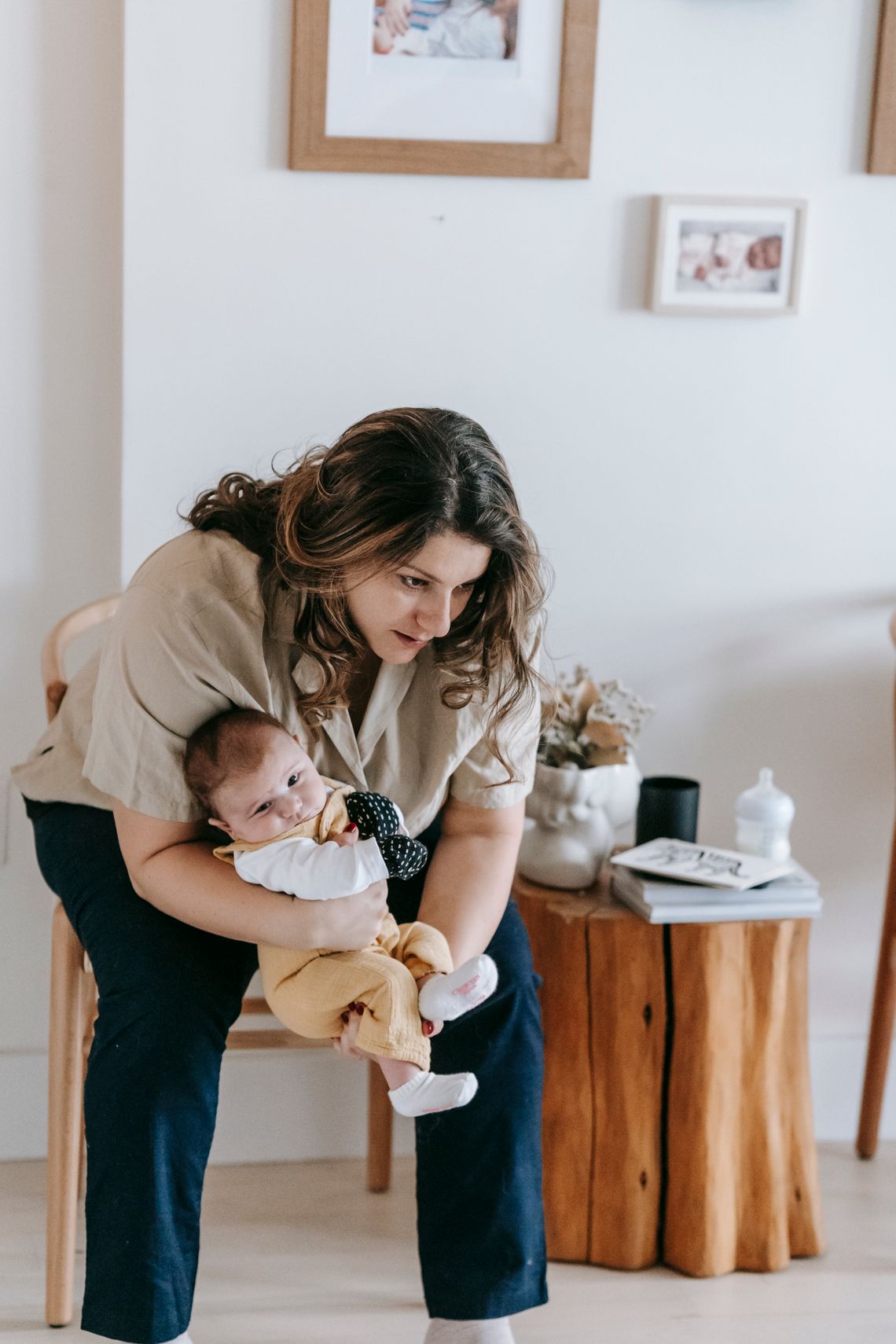
Feeding & Body Care
Whether your routine includes direct nursing, pumping, bottle feeding, combination feeding, or changes over time, the practical setup should make feeding easier while protecting comfort, rest, hygiene, and confidence.
Make access simple and position the body with support rather than holding tension through every feed.
A clean, repeatable pumping system can reduce the mental work around expressing, storing, warming, and feeding milk.
Keep bottle care straightforward so another caregiver can confidently share feeds when that fits the family's routine.
Carevora Postpartum Ecosystem
Carevora's maternal and baby-care categories can support different parts of one postpartum routine. The goal is not to use everything at once. Choose what reduces friction in the care moments your household repeats most.
Support pumping routines around portability, controls, fit, cleaning effort, and the places where expressing milk actually happens.
Create a consistent bottle system that is practical to assemble, clean, store, and share between caregivers.
Make warming routines simpler with equipment that works with your bottles and fits naturally into the feeding area.
Continue using supportive pillows after pregnancy when they help create a more comfortable resting, feeding, or supported sitting position.
Choose soft, supportive access for nursing and pumping without adding complicated fastenings or unnecessary pressure to frequent feeding sessions.
Organize clean baby-care items, feeding supplies, personal essentials, and used items into separate zones for appointments and everyday outings.
Keep gentle everyday cleanup within reach at the changing area and inside the diaper bag so care remains simple at home and away.
Build a small, consistent routine around the products appropriate for your baby's skin rather than adding unnecessary complexity.
Keep bath-time supplies organized in advance so washing, drying, dressing, and after-bath care can happen without leaving the baby unattended.
Shared Care Plan
Postpartum support can become another invisible management job if the mother must continually explain what needs to be done. A simple household care plan lets other people notice, reset, restock, wash, prepare, and organize without waiting for instructions.
Wash or organize bottles, clean pump parts as appropriate, refill water, and replace used burp cloths.
Restock wipes, diapers, skincare, clean clothing, or the changing station before supplies run low.
Repack the diaper bag with clean feeding supplies, baby-care essentials, and anything used during the last trip.
Take ownership of an appropriate household or baby-care task so the mother can use a quiet period for rest or personal care.
Encourage professional support when recovery, feeding, physical comfort, or emotional wellbeing raises concerns.
This page provides general educational information and organization ideas, not individualized medical advice. Postpartum recovery varies, and medical needs can differ after vaginal birth, cesarean birth, pregnancy complications, premature delivery, or other circumstances. Follow the discharge instructions provided by your healthcare team and seek qualified medical care whenever symptoms, pain, bleeding, feeding concerns, emotional changes, or recovery progress worry you.
Postpartum Questions
Every postpartum experience is different. These answers focus on everyday organization, comfort, and care planning rather than replacing the advice of your obstetric, primary-care, pediatric, or lactation team.
Start with the place where you spend the most time feeding or resting. Keep water, a charger, feeding supplies, burp cloths, clean baby-care items, a supportive pillow, and other frequently used essentials close enough that you do not repeatedly need to cross the room or search through drawers.
The exact setup depends on how you feed. It may include nursing pillows, clean bottles, pump supplies, breast pads, burp cloths, water, a small waste container, storage labels, and a nearby place for used items. Keep the station simple enough that another caregiver can understand and reset it.
Some parents continue using supportive pregnancy or maternity pillows during postpartum rest or supported sitting when the shape feels comfortable. They can also help create a more supported environment around the body, but they should never be used in a way that conflicts with safe infant sleep guidance.
Prioritize a comfortable fit, easy nursing or pumping access, soft materials, practical adjustability, and support without unnecessary pressure. Fit can change during the postpartum period, so reassess rather than assuming the same size or style will feel right throughout recovery.
Support does not have to mean taking over the feed itself. A partner can refill water, wash or reset feeding equipment, bring the baby to the feeding area, handle burping or an appropriate diaper change, restock supplies, prepare bottles according to the household feeding plan, or take ownership of cleanup afterward.
Divide the bag into simple zones: diapering, feeding, clean baby clothing, personal maternal essentials, and a separate area for used items. Keeping the structure consistent makes it easier for another caregiver to pack, use, and reset the bag without asking where everything belongs.
Prepare only what is genuinely useful before bed. Keep a small supply of diapers, wipes, feeding essentials, burp cloths, water, and personal items in a predictable location. Reduce unnecessary bright lighting and avoid creating a night setup that requires moving through several rooms for each care task.
Persistent pain should not simply be accepted as part of pumping. Recheck positioning, flange fit, pump assembly, and settings according to the manufacturer's instructions. A qualified lactation or healthcare professional can help assess ongoing discomfort, feeding concerns, or questions about milk expression.
Contact your healthcare team whenever physical or emotional changes concern you, when recovery does not feel as expected, or when you have questions about pain, bleeding, healing, feeding, medication, mood, sleep, or your ability to care for yourself or your baby. Use urgent or emergency medical services when your healthcare instructions indicate immediate evaluation.
A Gentler Way Forward
The most supportive postpartum system is rarely the most complicated one. Keep the essentials close, make feeding easier to reset, create comfortable places to sit and rest, share visible household tasks, and let your routine change as recovery changes.