Prepare
Place towels, clean clothing, diapering essentials, cleanser, washcloths, and after-bath care products where you can reach them easily.
Bath time can be more than a cleaning routine. With a calm setup, gentle baby-care essentials, thoughtful preparation, and everything within reach, it can become one of the softest transitions in the day — a moment for warmth, touch, connection, and quiet care.
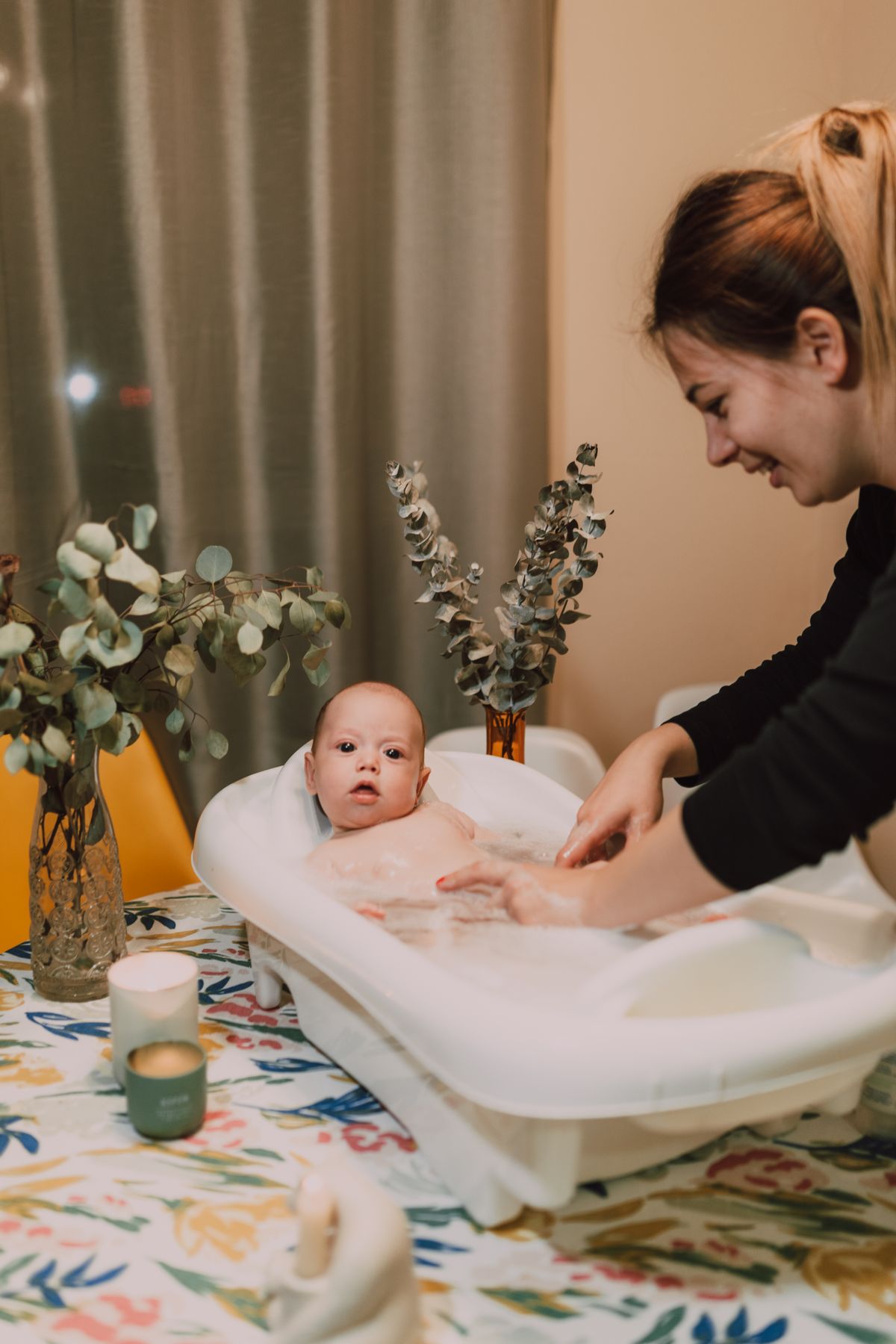
A predictable bath routine helps reduce unnecessary movement and makes it easier to stay focused on baby. The goal is not to make bath time complicated — it is to prepare the environment so every step flows naturally into the next.
Place towels, clean clothing, diapering essentials, cleanser, washcloths, and after-bath care products where you can reach them easily.
Prepare comfortably warm water before bringing baby to the bathing area, then check the temperature before the bath begins.
Use slow movements, mild baby-appropriate products when needed, and gentle cleansing rather than vigorous rubbing.
Move directly from water to a nearby towel so baby can be covered and dried without unnecessary waiting.
Dry the bathing area, move used items to washing, replenish supplies, and leave the station ready for the next routine.
Bath time deserves your full attention. Preparing the entire routine before baby enters the water means fewer reasons to reach away, search for products, or leave the bathing area.
Treat bath time as a hands-on routine. Phones, doors, laundry, and other interruptions can wait. If you must leave the bathing area, take baby with you.
Water should feel comfortably warm rather than hot. Many caregivers aim for water around body temperature, approximately 100°F, while always confirming comfort before bathing.
Use a stable baby bathing setup appropriate for your child's stage and keep the surrounding floor as dry and uncluttered as possible.
A towel, cleanser, washcloth, clean diaper, clothing, and any after-bath product you intend to use should already be waiting beside you.
More foam, fragrance, and cleanser do not necessarily make a better bath. Keep the routine simple and choose baby-care products appropriate for your child's skin and age.
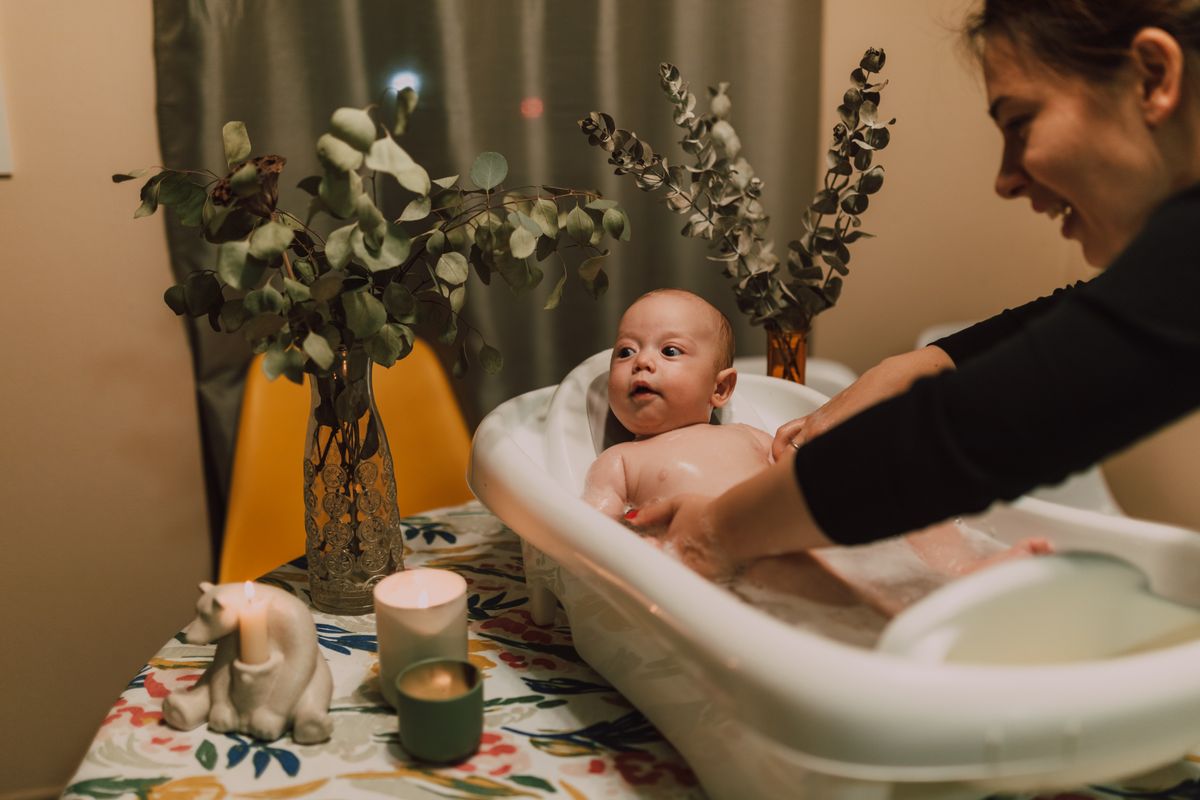
A premium bath routine is not about filling the bathroom with products. It is about placing a small number of useful essentials in the right sequence so the transition from undressing to bathing, drying, moisturizing, diapering, and dressing feels uninterrupted.
Set out the complete after-bath outfit before starting. This prevents searching through drawers while baby is wet or wrapped in a towel.
Keep bathing products close enough to reach without turning away from baby or moving out of your stable bathing position.
Place the towel beside the bathing station and fully open it before the bath so wrapping baby can happen quickly and smoothly.
If your routine includes moisturizer or other baby skincare, keep it beside the changing area rather than the wet bathing zone.
Baby Bath Essentials, Baby Skincare, Baby Wipes, clean clothing, towels, and diapering products all support different parts of the same routine. Organizing them as one connected system can make daily care feel noticeably easier.
Keep bath tools purposefully edited: a stable bathing setup, soft washcloth, appropriate cleanser when needed, and an absorbent towel. The fewer unnecessary items around the water, the easier it is to keep your attention where it belongs.
After drying, a simple baby skincare routine can help keep the transition calm. Choose products suited to your baby's skin and use only what the routine actually needs.
Keep wipes at the changing area for post-bath diapering and small cleanup tasks instead of crowding the immediate bathing space.
After bath time, supportive seating and comfortable positioning can make feeding, cuddling, and settling into the next part of the routine more restful for the parent.
Create a travel-sized hygiene zone with wipes, spare clothing, a clean diaper, and small baby-care essentials for easier changes outside the home.
The easiest routines follow a natural order. This sequence keeps the bath focused, reduces unnecessary handling, and gives each product a clear moment to be used.
Open the towel, lay out a fresh diaper and clothing, and prepare any baby skincare you intend to use. Complete this before filling the bath or undressing baby.
Fill the bathing area with comfortably warm water, check the temperature, stabilize your setup, and confirm that bath essentials are within easy reach.
Support baby securely while washing one area at a time. Gentle touch and deliberate movement can make the routine feel calmer than rushing through multiple products at once.
Keep the towel nearby so baby can be covered promptly. Pat rather than rub vigorously, paying attention to skin folds where moisture may remain.
Apply any appropriate skincare, complete diapering and dressing, then transition into feeding, cuddling, reading, or sleep according to your family's routine.
Check bath water before baby enters. Many caregivers aim for a temperature close to body temperature.
Bath items and the full post-bath setup should be prepared before baby is placed near the water.
Keep baby supervised and supported throughout the entire bathing routine.
Use baby-appropriate products intentionally rather than assuming more product means better care.
A bath does not need to become an elaborate skincare routine. Baby skin can have different needs at different stages, so gentle cleansing, careful drying, and an appropriately simple after-bath routine are often easier to maintain than layering multiple products.
The softest routine is often the one with fewer steps, better preparation, and more attention.
Carevora Baby Care PhilosophyFocus on gentle washing. Use baby-appropriate cleanser where needed and avoid unnecessary vigorous scrubbing.
Pat skin dry with a soft towel and gently check folds around the neck, arms, legs, and diaper area for remaining moisture.
If moisturizer is part of your baby's care routine, apply an appropriate product to clean, dry skin according to product directions and professional guidance.
Notice how your baby's skin responds to bathing products. Persistent redness, irritation, rash, or other concerns should be discussed with a pediatric healthcare professional.
Use a straightforward sequence that caregivers can repeat easily rather than changing products and routines unnecessarily.
Keep the room comfortable and move efficiently from drying into diapering and dressing so baby is not left uncovered longer than necessary.
Many stressful bath moments come from workflow rather than the bath itself. Reducing these common sources of friction can make the experience more comfortable for both parent and baby.
Looking for a towel, diaper, cleanser, or clothing after the bath has begun creates unnecessary distraction. Stage the entire routine first.
A crowded bathing space adds visual and physical clutter. Keep only the products you are actually using within the immediate bath zone.
Prepare the towel and dressing space first so you can move steadily from water to drying without hurrying through a wet, slippery transition.
Repeated bending, reaching, and awkward kneeling can make bath time physically demanding. Arrange the setup to reduce unnecessary strain where possible.
Bath time often becomes the bridge into the next family moment. A consistent after-bath sequence can help the evening feel quieter and more organized.
Wrap baby promptly, gently pat skin dry, complete any appropriate skincare, then move into a clean diaper and comfortable clothing.
For some families, bath time naturally leads into breastfeeding, bottle feeding, or quiet cuddling. Keep feeding essentials prepared nearby if that is part of your routine.
Softer lighting, a calm voice, less stimulation, and a predictable sequence can help distinguish the after-bath period from active daytime play.
These answers offer general bath-routine guidance. For concerns involving your baby's skin, umbilical area, illness, development, medical needs, or bathing after a procedure, follow advice from an appropriate pediatric healthcare professional.
Prepare both the wet and dry sides of the routine first. Place your bath essentials within reach, then open a towel and set out a clean diaper, clothing, and any appropriate skincare products before baby enters the bathing area.
Bath water should feel comfortably warm rather than hot. Many caregivers aim for water close to body temperature, around 100°F. Always check the water before placing baby in it and follow professional guidance appropriate for your child.
Not necessarily. A simple routine with a stable bathing setup, soft cloth, towel, and an appropriate baby cleanser when needed may be easier to manage than a large collection of products. Choose products according to your baby's skin needs and age.
Reduce decisions during the bath. Use the same general sequence, keep supplies in predictable locations, prepare the towel and clothing first, and give yourself enough time that the routine does not feel rushed.
Individual skin needs vary. If moisturizer is part of your baby's routine, choose an appropriate product and use it according to directions. If your baby has persistent dryness, irritation, eczema, or other skin concerns, seek guidance from a pediatric healthcare professional.
Wrap baby in a soft towel promptly and gently pat rather than vigorously rub. Pay attention to areas where moisture can remain in skin folds before diapering and dressing.
Keep the items you intend to use during the bath — such as a washcloth and appropriate cleanser — nearby, along with an immediately accessible towel. The full post-bath setup should already be waiting beside the bathing area.
For many families it can. A predictable sequence of bath, drying, dressing, feeding or cuddling, and quieter activity can create a consistent evening rhythm. Adapt the timing to your baby's needs rather than forcing a schedule that does not suit your family.
Stop using any new or potentially irritating product and consider discussing persistent redness, rash, discomfort, swelling, or other concerns with an appropriate pediatric healthcare professional. Product routines should never replace medical evaluation when symptoms are concerning.
Carevora brings baby bath, skincare, feeding, maternity, and on-the-go essentials into one thoughtful approach to modern parenthood. The goal is simple: fewer unnecessary steps, calmer preparation, and products that support the small routines repeated every day.
Explore the Bath Routine