Prepare the Surface
Start with a clean, stable changing area. Place a fresh diaper, wipes, spare clothing, and any routine care products within easy reach.
Diaper changes happen in the middle of real life: after feeds, before naps, during quiet nights, and while heading out the door. A thoughtful routine makes those moments cleaner, calmer, safer, and easier to repeat.
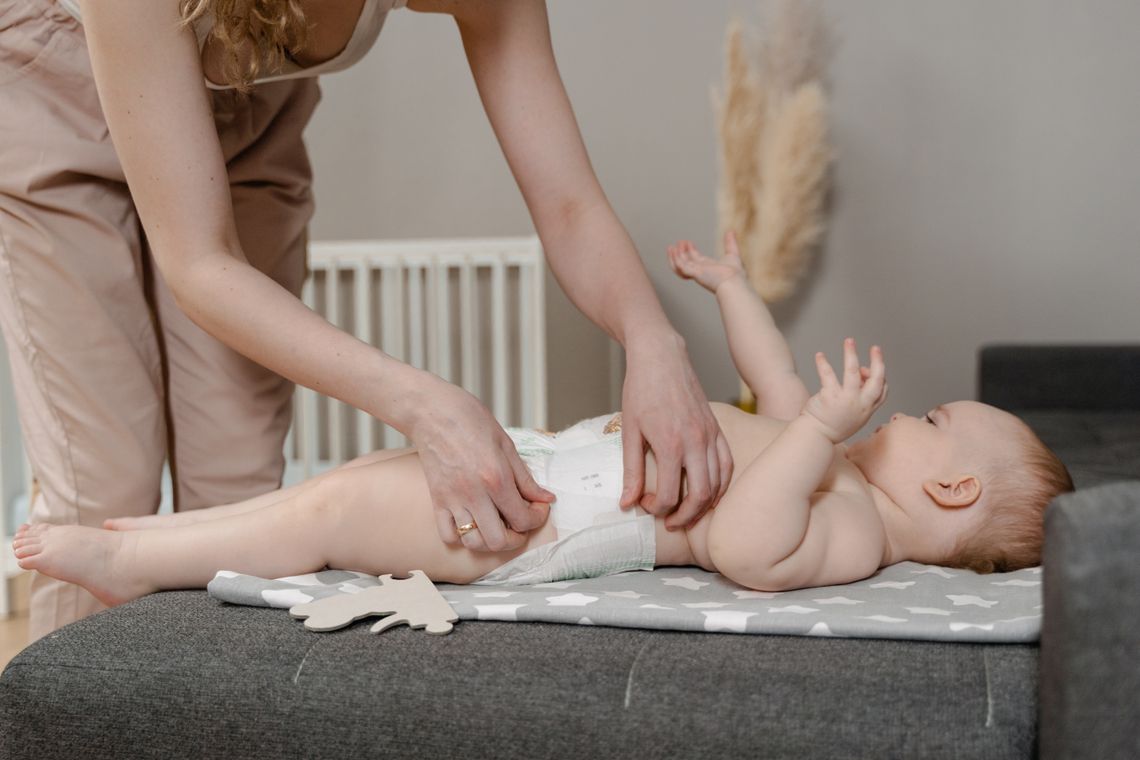
Open and ready before removing the used diaper.
Use wipes or an appropriate soft cleansing method.
Give delicate skin a moment to dry before closing the new diaper.
Secure the diaper evenly without excessive tightness.
Dispose, wash hands, wipe surfaces, and restock.
The easiest diaper change begins before the old diaper comes off. Gather everything first, then move through the routine in one direction: prepare, clean, protect, dress, and reset.
Start with a clean, stable changing area. Place a fresh diaper, wipes, spare clothing, and any routine care products within easy reach.
Clean hands before beginning whenever possible, especially before handling clean diapers and baby skin-care products.
Position the clean diaper before removing the used one so the transition is quicker and fewer supplies need to be reached for mid-change.
Unfasten the used diaper while keeping your baby comfortably positioned and your attention on the changing surface.
Clean the diaper area carefully without aggressive rubbing. Pay attention to skin folds where moisture or residue can remain.
Before fastening the fresh diaper, give clean skin a short moment to become comfortably dry.
Center the diaper, fasten both sides evenly, and check around the waist and legs for a secure but comfortable fit.
Dispose of the used diaper appropriately, clean the changing surface, wash your hands, and replenish supplies for the next change.
A beautifully organized changing station is not about filling every basket. It is about reducing unnecessary movement while keeping clean supplies, used items, and baby-care products clearly separated.
Keep diapers and wipes in the easiest position to reach without turning away from your baby.
Store your chosen baby skin-care essentials upright, closed, clean, and easy to identify.
Keep a bodysuit, sleeper, or backup outfit close for unexpected leaks and messier changes.
Create a clear destination for used diapers, wipes, soiled clothing, and reusable changing textiles.
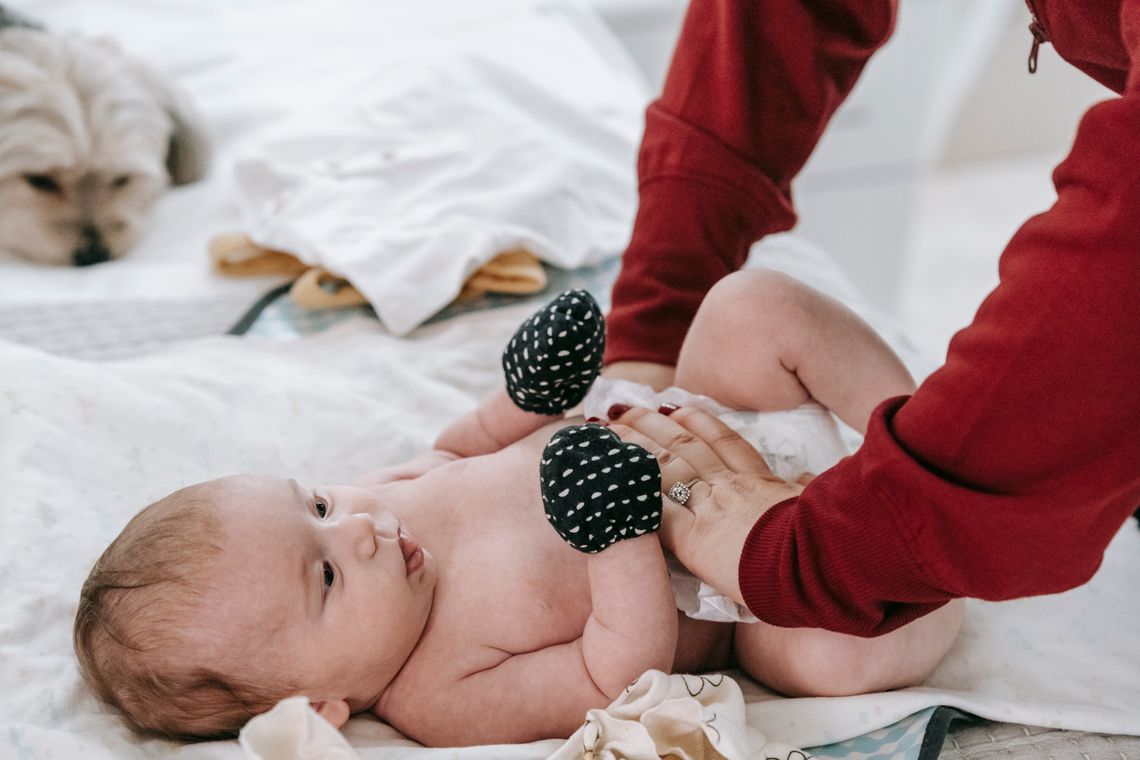
Diaper changes become more active as babies grow. Preparing supplies before placing your baby on the changing surface helps reduce the need to reach, turn away, or step out of position.
Never leave a baby unattended on an elevated changing surface, even for a short moment.
Maintain physical awareness and support, particularly when your baby can roll, twist, push, or reach.
Open the diaper, release wipes from packaging, and bring fresh clothing within reach before the change starts.
Follow the instructions and safety guidance supplied with your changing pad, table, dresser, or other changing setup.
For especially active babies, a clean changing mat on the floor can remove the risk associated with an elevated surface.
Store caps, packaging, cords, accessories, and small objects outside your baby's reach.
Package sizing is a useful starting point, but fit is something you can observe at every change. Look at the waist, leg openings, fastening position, movement, and repeated leak patterns together.
The waistband should sit securely without obvious pinching. Follow the diaper manufacturer's fit guidance for your chosen product.
Tabs should fasten evenly. Consistently extreme tab positions may be a useful sign that it is time to review the size.
Check that the leg area sits smoothly and that elastic edges are positioned as the diaper manufacturer intends.
A well-fitted diaper should allow comfortable kicking, curling, crawling, and movement without looking excessively loose or restrictive.
Repeated leaks can have several causes, including fit, positioning, absorbency needs, or timing. Review the complete routine rather than one detail.
If marks appear persistent, deep, uncomfortable, or accompanied by skin irritation, reconsider fit and discuss concerns with your pediatric healthcare professional.
Diaper-area care is less about adding more products and more about keeping the routine gentle, clean, dry, and consistent. When using any skin-care product, follow its instructions and your baby's healthcare guidance.
Respond to wet or soiled diapers so skin is not left in prolonged contact with moisture or waste.
Use a soft approach and avoid unnecessary rubbing when cleaning delicate diaper-area skin.
Look carefully around creases and folds where moisture or residue can remain less visible.
Give freshly cleaned skin a short moment to dry comfortably before securing the new diaper.
Pay attention to persistent redness, broken skin, unusual swelling, or irritation that does not improve as expected.
The core changing steps stay consistent, but the surrounding environment changes. Daytime changes may be active and playful; nighttime changes often benefit from a quieter, more prepared setup.
See the station reset checklistRefill diapers and wipes, replace used changing-pad covers if needed, and bring clean clothing back into the station.
If a change follows feeding, move gently and keep the environment settled rather than turning the routine into a rushed transition.
Gather the fresh diaper, wipes, pajamas, and sleep essentials before beginning the final change of the routine.
A small, organized nighttime station can reduce unnecessary searching, bright lighting, and movement when everyone is tired.
Dispose of overnight waste, clean the changing area, wash hands, and replenish the station for another day of care.
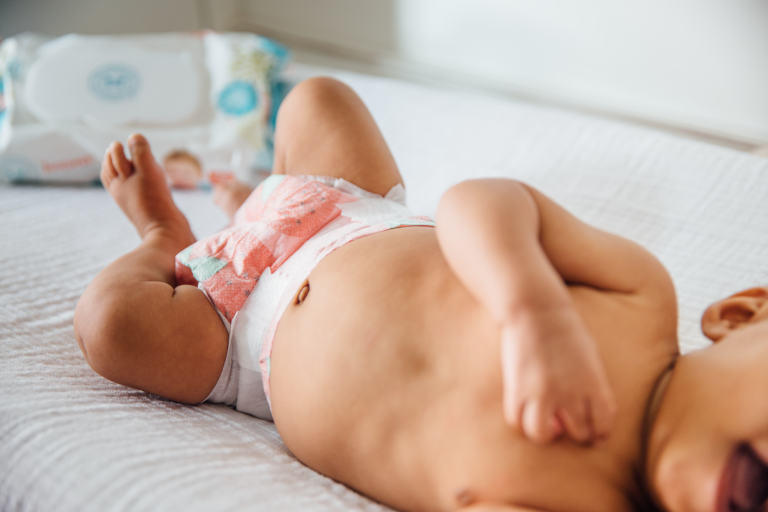
A diaper change is not finished the moment the tabs are fastened. A few final checks can make the transition back to feeding, sleeping, cuddling, or play feel more complete.
Check that diaper edges and elastic areas sit according to the product's intended fit.
Make sure waistbands, snaps, and layers are not pulling tightly across the fresh diaper.
Hand hygiene after a diaper change is an important part of completing the care routine.
Replace missing wipes, diapers, liners, or clean clothing now rather than discovering an empty station later.
Once everything is clean and secure, move gently back into your baby's next routine.
A diaper bag works best when it is organized around a complete change rather than simply filled with baby products. Pack in small systems so you can reach what matters quickly.
Carry enough diapers for the expected outing plus a reasonable backup for delays or extra changes.
Keep wipes sealed and accessible without needing to empty the entire bag.
A clean portable surface helps create a more controlled change in unfamiliar spaces.
Pack at least one weather-appropriate clothing change for leaks, spills, or unexpected messes.
Keep a separate bag or pouch for soiled clothing and other used items.
Bring only the baby skin-care products you routinely need rather than carrying unnecessary extras.
Plan how you will clean your hands when a convenient sink is not immediately available.
Replenish the diaper bag after returning home so it is ready rather than empty when the next outing begins.
The small reset after each change is what keeps the station calm. It prevents tomorrow's rush from becoming today's clutter.
Move diapers, wipes, and soiled clothing out of the clean changing zone.
Follow the changing-pad or surface manufacturer's cleaning instructions.
Reseal wipes and close creams, lotions, or care containers securely.
Add fresh diapers before the supply reaches the final one or two.
Return a clean backup outfit to the station after one has been used.
Finish every changing routine with appropriate hand hygiene.
Diapering becomes easier through repetition. Prepare everything before the change, keep the routine gentle, and adjust the setup as your baby becomes more mobile.
Return to page topCheck regularly throughout the day and whenever your baby seems uncomfortable, after feeds, around sleep routines, or when you suspect the diaper is wet or soiled. Newborns and young babies may require frequent changes.
At minimum, prepare a clean diaper and your preferred cleansing supplies. Depending on the routine, you may also want a changing pad, spare clothing, diaper-area skin care, and a clear place for the used diaper.
No. Families use different setups, including changing tables, dresser-top changing pads, and clean floor mats. Whatever you use should be stable, appropriate for changing, and used according to its safety instructions.
Prepare every item before placing your baby on the surface, keep close physical contact, and never leave your baby unattended on an elevated surface. A clean floor-level changing setup can be useful for very active babies.
Look at the waistband, fastening position, leg openings, movement, leak patterns, and your baby's skin. Follow the specific diaper manufacturer's sizing and fit guidance because designs differ between products.
Leaks can relate to fit, positioning, absorbency needs, how long the diaper has been worn, or how the leg and waist areas are sitting. Review the complete setup and the manufacturer's guidance rather than relying on size alone.
Giving freshly cleaned skin a brief opportunity to dry before closing the new diaper can help keep the area comfortable. Be gentle rather than rubbing the skin aggressively.
Product needs differ between babies and situations. Follow the instructions for the specific product you use and any advice given by your child's pediatric healthcare professional.
Keep the items needed during the active change in the easiest reach zone. Backups can sit in lower drawers, baskets, or cabinets. The goal is to avoid stepping away or turning your attention from your baby.
A practical kit can include diapers, wipes, a portable changing mat, spare clothing, a bag for used or soiled items, your usual care essentials, and a way to support hand hygiene while away from home.
Prepare the diaper, wipes, sleep clothing, and other essentials ahead of time. Keeping the station simple and organized reduces searching and unnecessary movement when everyone is tired.
Seek pediatric guidance when irritation is severe, worsening, persistent, unusually painful, associated with broken skin or other concerning symptoms, or whenever you are unsure about what you are seeing.
The most useful diapering system is not the one with the most products. It is the one that keeps your baby close, keeps essentials within reach, supports gentle skin care, and leaves everything ready for the next everyday moment.